
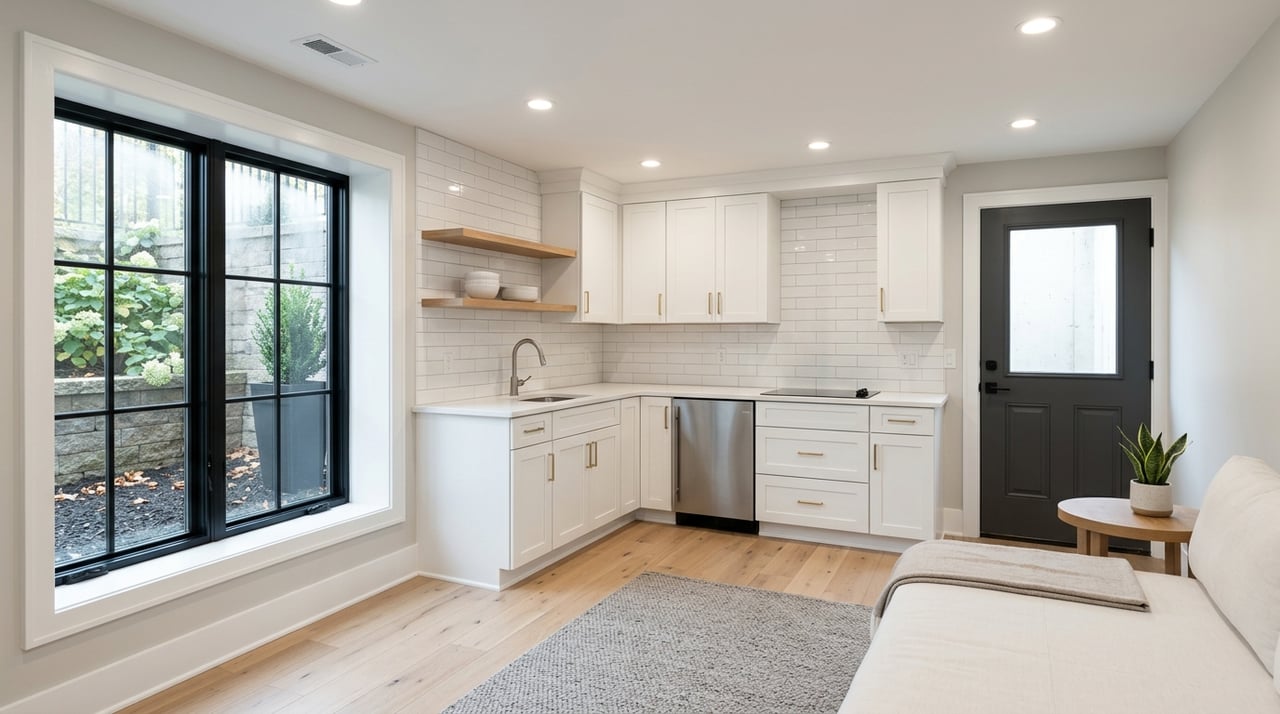
Trying to buy near Exton without taking on the full monthly payment alone? House hacking can be a smart way to lower your housing cost, but in this part of Chester County, the details matter. Between zoning limits, rental rules, and today’s pricing, the best opportunities are usually the ones that are already set up legally or have a very clear approval path. Let’s break down what to look for, what to verify, and how to think about small multi-unit and in-law-style properties near Exton.
Exton draws interest because it offers regional access and a central location within Chester County. West Whiteland Township describes the Exton Crossroads area along Pottstown Pike and Lincoln Highway as a key regional destination that is suited to a mix of medium- and high-density residential and commercial uses, and SEPTA’s Paoli/Thorndale Line serves Exton with connections that also link to Amtrak service at the station.
That combination can make shared-cost living or rental income especially appealing. At the same time, you need to stay grounded in the numbers. Zillow’s Exton data shows an average home value of $616,175 and an average rent of $2,235, with one-bedroom rents around $1,984 and two-bedroom rents around $2,675.
Those rents can help offset carrying costs, but they do not automatically create strong cash flow. Based on those same figures, gross annual rent is only about 4.4% of Exton’s average home value before taxes, insurance, maintenance, vacancy, and financing. In other words, house hacking here is often more about reducing your monthly cost than buying a property that instantly performs like a high-yield rental.
If you want a cleaner path, focus first on properties that already fit a recognized use. Near Exton, that usually means a legal duplex, a twin, a mixed-use building with an upper-floor apartment, or a property with existing multifamily approval.
This matters because West Whiteland’s zoning framework is not especially simple for improvised second-unit plans. The township has nine zoning districts, including four residential districts, and the district rules shape what kind of house hack is realistic from day one.
For small multi-unit strategies, the R-3 district is the most relevant starting point. According to the township’s zoning information, R-3 allows duplex and twin dwellings by right and also allows conditional-use multifamily development and conversion of a single-family dwelling.
That makes R-3 more flexible than districts centered only on detached homes. Still, flexibility does not mean unlimited density. For conditional multifamily in R-3, the code sets a 5-acre minimum tract and a maximum density of 4 dwelling units per acre, so many buyers looking for a simple owner-occupied house hack will still want to focus on properties that already have the legal setup in place.
R-1 is limited to single-family detached dwellings. R-2 remains focused on single-family housing, although it can include a conditional-use carriage-home cluster, which is not the same thing as a typical buyer creating a separate in-law apartment inside a house.
That distinction is important. If you are picturing a detached home with a rentable lower level, you should not assume the zoning allows it just because the space exists physically.
The Town Center district is another place where apartment-style housing is clearly contemplated. It allows apartment dwellings in mixed-use buildings, but no dwelling units may be on the ground level, and density is capped at 6 dwelling units per acre.
For some buyers, that means a mixed-use or upper-floor apartment setup may be more realistic than trying to force an accessory unit into a detached suburban home. If your goal is to offset your payment with another unit, an already-approved mixed-use configuration can be much more straightforward than a future conversion project.
This is one of the biggest takeaways for buyers near Exton. Based on the residential sections reviewed in the township code, there is not a simple by-right accessory dwelling unit category clearly laid out for a typical detached-home strategy, so a basement apartment or in-law suite should be treated as a zoning question from the start, not as an assumed rental unit.
That means the existence of a second kitchen, a walkout basement, or a private entrance does not by itself make the setup legal for separate occupancy. You need to verify what the property is approved for, whether permits were pulled, and whether the use fits the zoning district.
If your plan depends on future rental income from that space, that verification should happen before you write an aggressive offer. Otherwise, you risk underwriting a property based on income that may not be usable in the way you expect.
If you are serious about house hacking near Exton, your due diligence needs to start earlier than it might in a market with more straightforward two-unit inventory. The goal is to confirm legality, safety, and realistic income before you lock yourself into a purchase.
West Whiteland Township says buyers can request a zoning verification letter for $100. The letter can confirm the zoning district, abutting districts, permitted uses, approvals, variances, and violations.
That is a useful pre-offer tool because if a proposed use does not fit the ordinance, the zoning officer cannot simply approve it on the spot. The owner would need to seek relief through the Zoning Hearing Board for a variance, which can change both your timeline and your risk.
A home can be marketed with an in-law setup, finished lower level, or separate entrance and still not qualify as a legal second unit. That is why you want clarity on the approved unit count and any permit history tied to kitchens, baths, egress, fire separation, or prior conversions.
For deal-focused buyers, this is where the math and the paperwork need to match. If the seller or listing language implies rental potential, make sure the township record supports that potential.
West Whiteland’s Rental Property Ordinance applies to all non-owner-occupied dwellings. Before a new tenant moves in, the unit must be inspected and issued a certificate of reoccupancy, and the application must be filed at least 10 days before reoccupancy.
The ordinance defines a dwelling unit as a portion of a building arranged for living as a single housekeeping unit with no cooking or sanitary facilities in common with another unit. That definition matters because a true lower-level apartment with its own kitchen and bath may be treated as its own dwelling unit, while a room rental may be treated differently.
If you are evaluating a basement unit or in-law suite, safety and code details should be part of your first walkthrough. The township inspection checklist includes smoke detectors on every level and in every sleeping room, carbon monoxide detectors where required, GFCI receptacles in bathrooms, garages, unfinished basements, and exterior areas, plus proper fire separation between the garage and dwelling.
These may sound like small details, but they affect cost, timing, and whether the space can realistically be rented after closing. A lower-level suite that looks finished cosmetically may still need meaningful upgrades to satisfy inspection standards.
The Chester County housing stock is still largely owner-occupied and single-family oriented. County planning data show that 75.5% of housing units are owner-occupied and 62% of occupied units are single-family detached, with 40% of occupied housing having four or more bedrooms.
That helps explain why true small multi-unit opportunities can feel selective near Exton. The inventory base leans toward traditional homes, so legal duplexes, twins, or already-approved multifamily setups often stand out and move quickly.
Speed matters here too. Zillow’s Chester County market snapshot says homes go to pending in around 6 days, which means you may not have much time to analyze zoning after a property goes live.
The practical takeaway is simple: you should know your target property type, rental assumptions, and approval questions before you start writing offers. In a fast market, preparation is part of your competitive edge.
If you want the most reliable path, prioritize properties with legal status that is already established. That usually means one of the following:
If the opportunity is a basement conversion or in-law suite that is not clearly documented, treat it as a compliance project. That does not automatically make it a bad buy, but it does mean your offer and budget should reflect zoning review, permit work, inspection requirements, and possible upgrades.
Before you submit an offer, try to have answers to these five questions:
That kind of discipline can help you avoid overpaying for “potential” that may be harder to realize than the listing suggests.
House hacking near Exton can still make sense, but the strongest deals are usually the ones where the legal use is clear and the numbers stay realistic. In this market, a small multi-unit or approved in-law-style setup can help reduce your monthly cost, but success depends on zoning confirmation, permit history, and a conservative rent estimate.
If you want a practical read on a property’s zoning, layout, and investment potential, Samantha Partovi can help you evaluate the deal with a clear, data-driven approach before you commit.
Stay up to date on the latest real estate trends.
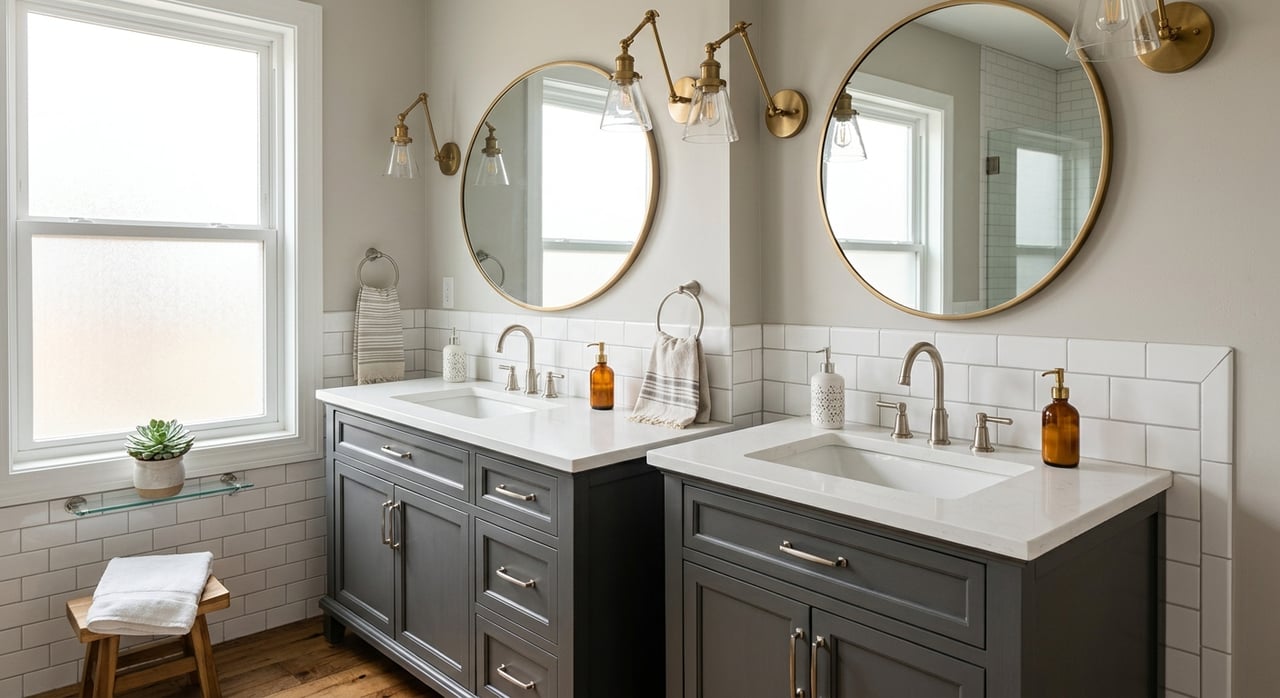
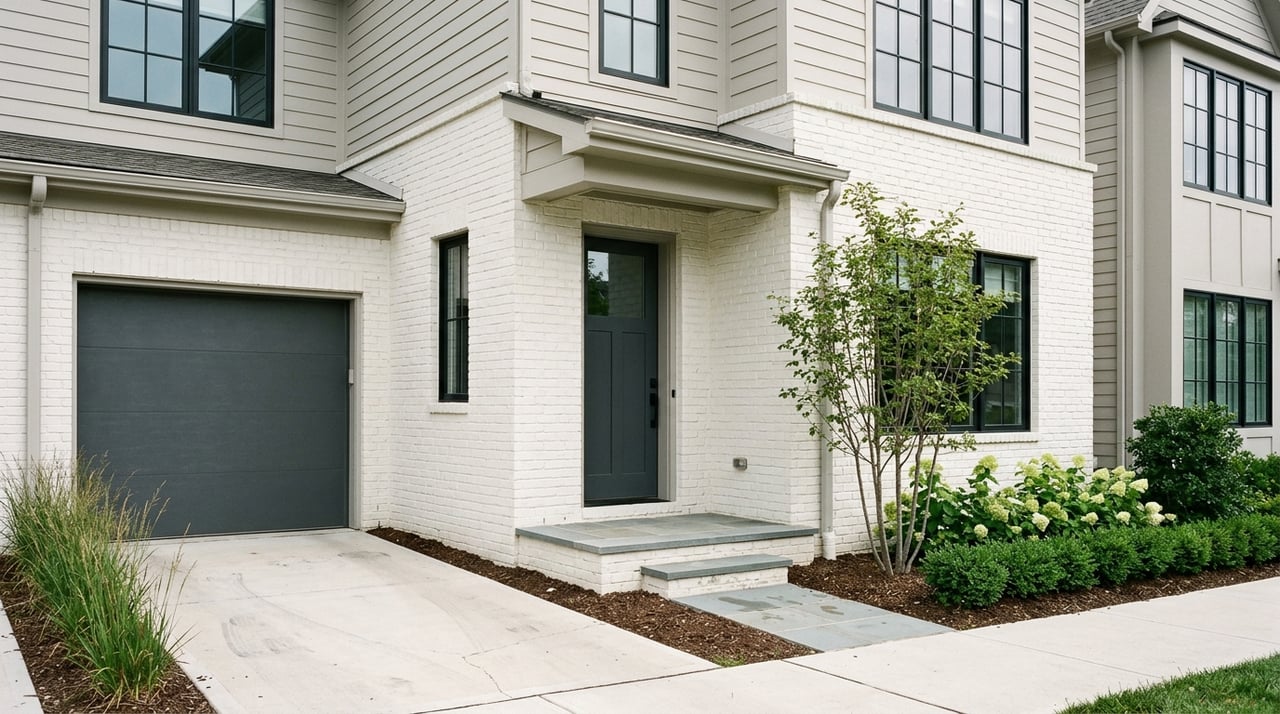
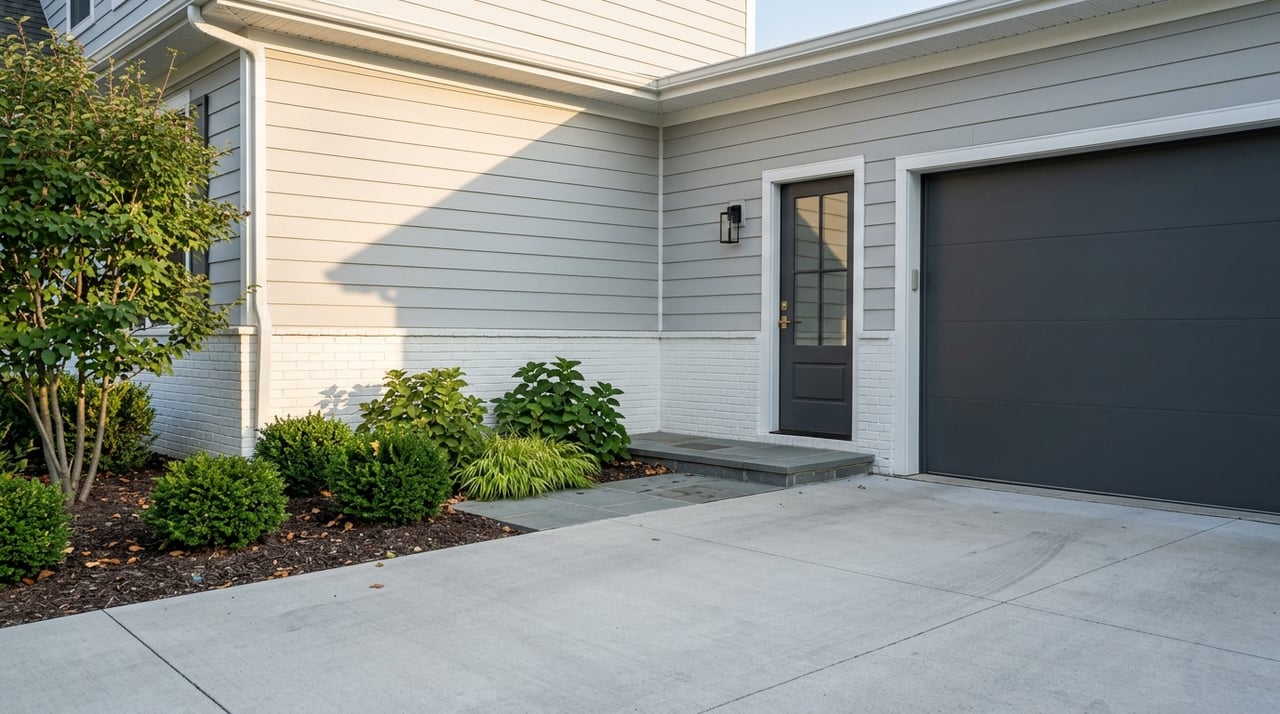
Let’s discuss your goals, timeline, and the numbers that will move you forward. Reach out and let’s talk about your goals — I’m committed to earning your trust.
SAMANTHA PARTOVI
ADDRESS 390 Waterloo Blvd Exton PA 19341