
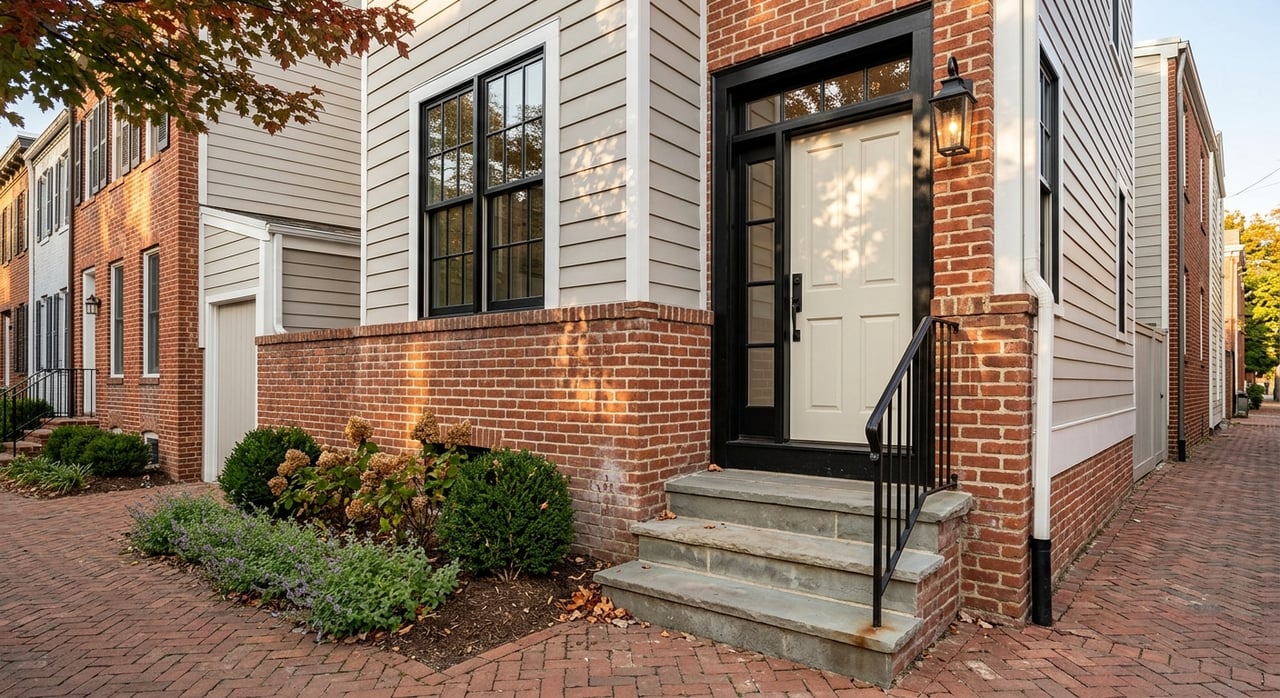
Wondering if Malvern’s village core is the kind of place where daily life actually feels easier, or just looks charming on paper? If you are comparing a walkable downtown setting with a more spread-out subdivision, the details matter. This overview breaks down what it is really like to live near King Street in Malvern, from housing choices and parking to parks, transit, and everyday routines. Let’s dive in.
Malvern Borough describes itself as a compact, walkable small-town village about 25 miles west of Philadelphia. The borough has a population of about 3,400 within 1.3 square miles, and King Street is positioned as the downtown heart.
That scale shapes the experience of living in the village core. Instead of a large commercial district, you get a concentrated main street environment where errands, dining, community events, and transit are close together.
Official borough planning materials describe the King Street corridor as the central business corridor. That includes small-scale retail, service businesses, restaurants, offices, and some second-floor residential space.
The borough is also continuing to refine how downtown functions. A March 2026 zoning update says Malvern is working to simplify downtown rules, encourage restaurants and retail, and allow complementary uses to share space. In practical terms, that means the core is active and evolving, not frozen in place.
The borough’s community and visitor information highlights King Street as the place for regular stops and repeat visits. Restaurants and boutique shopping are a visible part of the corridor, including places like The Flying Pig Saloon, Brick & Brew Gastropub, Malvern Buttery, and Restaurant Alba.
For you as a resident, that often means convenience comes from proximity to local storefronts rather than access to one large shopping center. If you like being able to step out for coffee, dinner, or a short errand without planning a longer drive, that is one of the village core’s clearest advantages.
One of the biggest practical differences in Malvern is housing mix. Borough planning documents describe a diverse housing stock, with roughly equal shares of detached, attached, and multifamily homes, along with nearly equal owner- and renter-occupied units.
The housing stock also trends older. The borough’s appendices note a median house age of 1973 and a substantial amount of housing built before 1939, which aligns with the older blocks closer to the center.
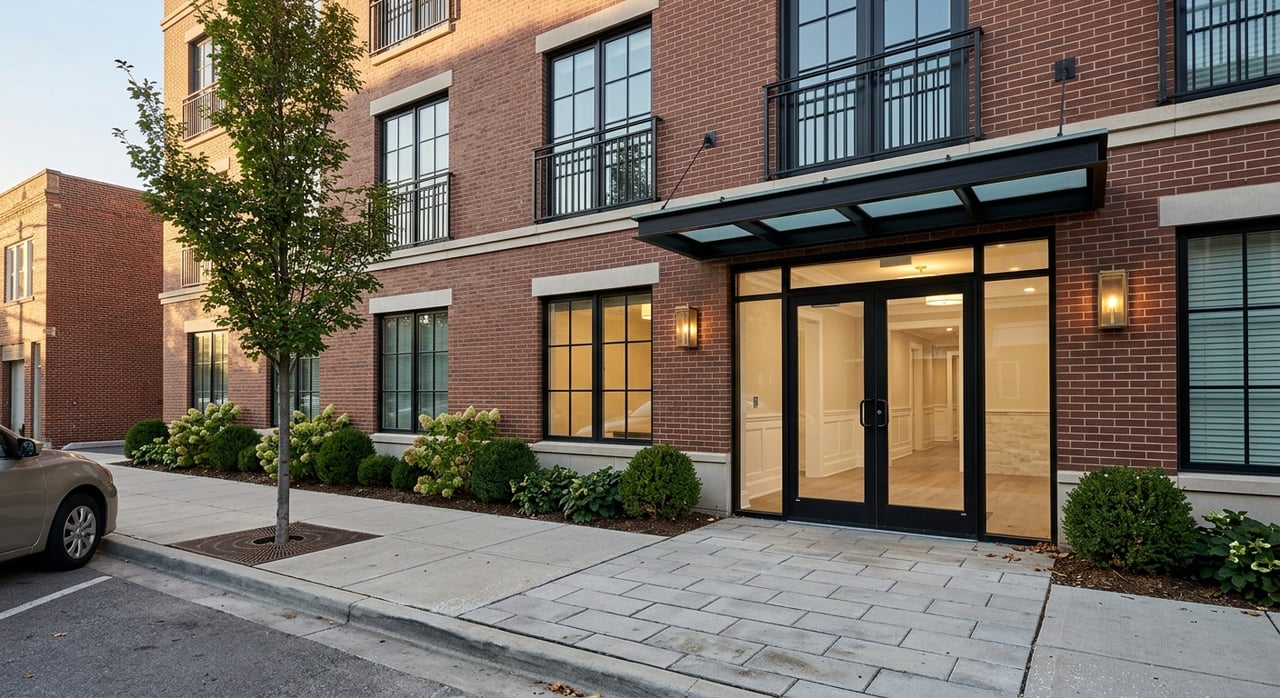
Near the core, your options may include:
The borough’s land-use planning also indicates that higher-density housing and mixed-use residential and commercial uses are concentrated in Olde Towne Malvern and along the King Street corridor. As you move farther from the core, newer single-family development becomes more common and tends to follow a more suburban cul-de-sac layout.
If you are shopping in the village core, the decision often comes down to how you value location and upkeep compared with square footage and lot size. Older homes and attached housing can offer easier access to downtown amenities and transit, while homes farther out may offer larger yards and more separation.
That does not make one option better than the other. It simply means your day-to-day priorities should lead the search.
Small downtown living often raises one immediate question: where do you park? In Malvern, the answer is more workable than many buyers expect from an older borough center.
The borough says on-street parking on King Street is free with a two-hour limit. Municipal lots are also free, and weekends and holidays have no time limits in borough lots. The Eastside Flats garage also reserves spaces for retail shoppers.
This setup can make quick errands and short visits feel manageable. Whether you are stopping for lunch, heading to a local shop, or meeting someone in town, the parking system supports shorter trips without adding much friction.
There is one important distinction. The SEPTA lot follows separate transit parking rules, so if train access is part of your routine, it is worth understanding borough parking versus station parking before you choose a home nearby.
The village core is not only about storefronts. Malvern says it has seven public parks and preserves and more than 40 acres of open space, which gives the borough a strong park presence for its size.
Burke Park is one block from Borough Hall, and Quann Park sits across from Borough Hall. Other open-space destinations named by the borough include Randolph Woods Nature Preserve and the Paoli Battlefield and Memorial Grounds.
These spaces are also woven into local routines. Burke Park hosts the weekly Malvern Farmers Market on Saturdays, and the borough calendar includes recurring civic events such as the annual Memorial Parade.
For buyers thinking long term, that matters. A village core can feel more livable when public spaces are not just decorative, but actively used for everyday recreation and community events.
If you are comparing housing options in and around the core, trash and recycling service is one of those small details that can affect daily life. In Malvern, the service model can differ depending on the kind of property you buy.
The borough provides collection to residential properties with six or fewer units that are not part of a mixed-use building. Larger apartment buildings and mixed-use properties arrange private collection instead.
This is especially relevant if you are choosing between a detached home, a small condo building, or a mixed-use unit. Even within the same borough, service expectations may not be the same.
For practical buyers, this is the kind of detail worth clarifying early. It helps you compare true day-to-day ownership responsibilities, not just price and location.
For many buyers, one of the strongest arguments for the village core is transit. SEPTA’s Paoli/Thorndale Line is the main rail connection serving Malvern, and the borough notes that the line runs alongside town and is within walking distance of Borough Hall.
SEPTA’s station guide lists Malvern Station at 15 N. Warren Avenue. SEPTA also says the station is scheduled for ADA upgrades in 2025 through 2027, including new high-level platforms and improved access from the parking lot.
Living in the core does not mean living without a car. The borough’s directions and public works information point to access via Route 30, Route 202, Route 29, Route 401, Route 252, Route 352, and the Pennsylvania Turnpike.
That combination gives many residents flexibility. You can lean on rail for commuting while still using a car for regional trips, larger shopping runs, or destinations beyond the borough.
If you are deciding between Malvern’s village core and a more traditional subdivision setting, the choice usually comes down to how you want your week to function. The core offers a rail-served, mixed-use main street environment with walkable errands, local dining, park access, and a varied housing stock.
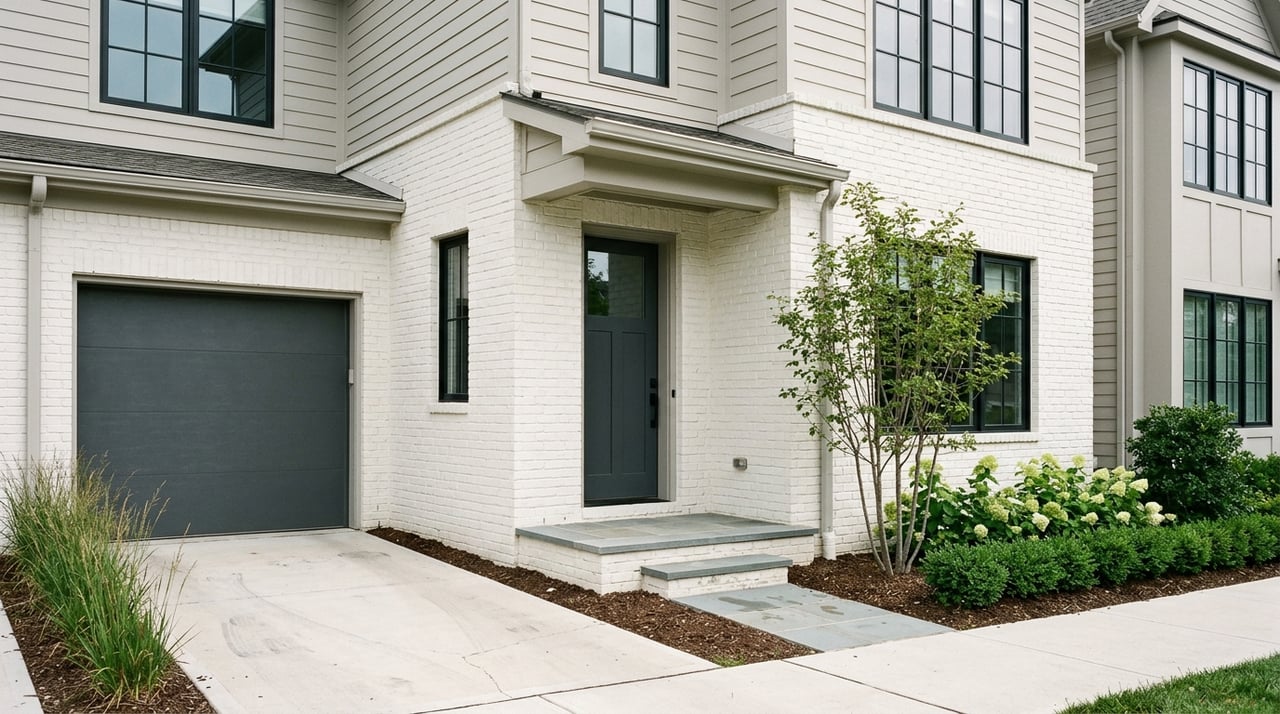
A subdivision setting may offer more private outdoor space, newer construction patterns, and a more car-dependent rhythm. The village core, by contrast, tends to offer older housing, more attached and condominium-style options, and a stronger street-level neighborhood feel.
The village core may be a good fit if you want:
You may prefer areas outside the core if you want:
Neither path is automatically right. The best fit depends on how you balance convenience, space, housing style, and your daily routine.
If you are trying to sort through those tradeoffs in Malvern or nearby suburbs, working with someone who can translate local housing patterns into a practical home search can save time. Samantha Partovi brings a clear, data-driven approach to comparing neighborhoods, property types, and everyday livability so you can make a move with confidence.
Stay up to date on the latest real estate trends.
Let’s discuss your goals, timeline, and the numbers that will move you forward. Reach out and let’s talk about your goals — I’m committed to earning your trust.
SAMANTHA PARTOVI
ADDRESS 390 Waterloo Blvd Exton PA 19341