Thinking about a move to West Chester but not sure where to start? You’re not alone. The borough blends a lively, walkable downtown with classic suburban neighborhoods, which can make choices feel overwhelming. In this guide, you’ll learn how the town is laid out, what housing options you can expect, how commuting works, and what everyday life looks like so you can decide where you fit best. Let’s dive in.
West Chester sits in southeastern Pennsylvania and serves as the county seat of Chester County. You’re about 25 to 35 miles west of Center City Philadelphia, with the historic borough at the core and suburban townships around it. The result is a mixed urban-suburban feel: a compact, walkable center and quieter neighborhoods nearby.
You’ll see a mix of students, young professionals, families, and retirees. West Chester University is woven into daily life and shapes local housing demand, dining, arts, and nightlife. Expect a four-season Mid‑Atlantic climate with warm, humid summers and cold winters, so plan for heating and occasional snow clearing.
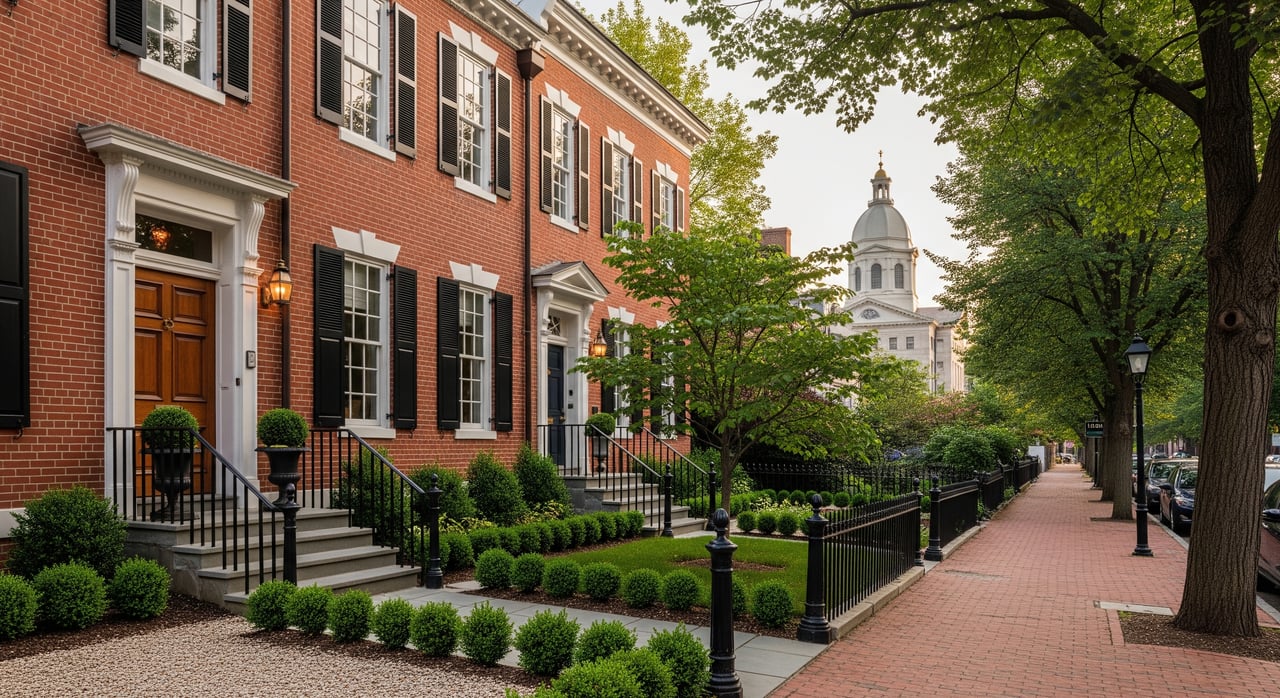
The downtown area features older rowhouses, Victorian and historic single-family homes, small apartment buildings, and condos. You get easy access to shops, restaurants, bars, libraries, and civic buildings, plus a strong sense of place. If you like walkability and a lively evening scene, this is where you’ll likely focus.
Key things to consider:
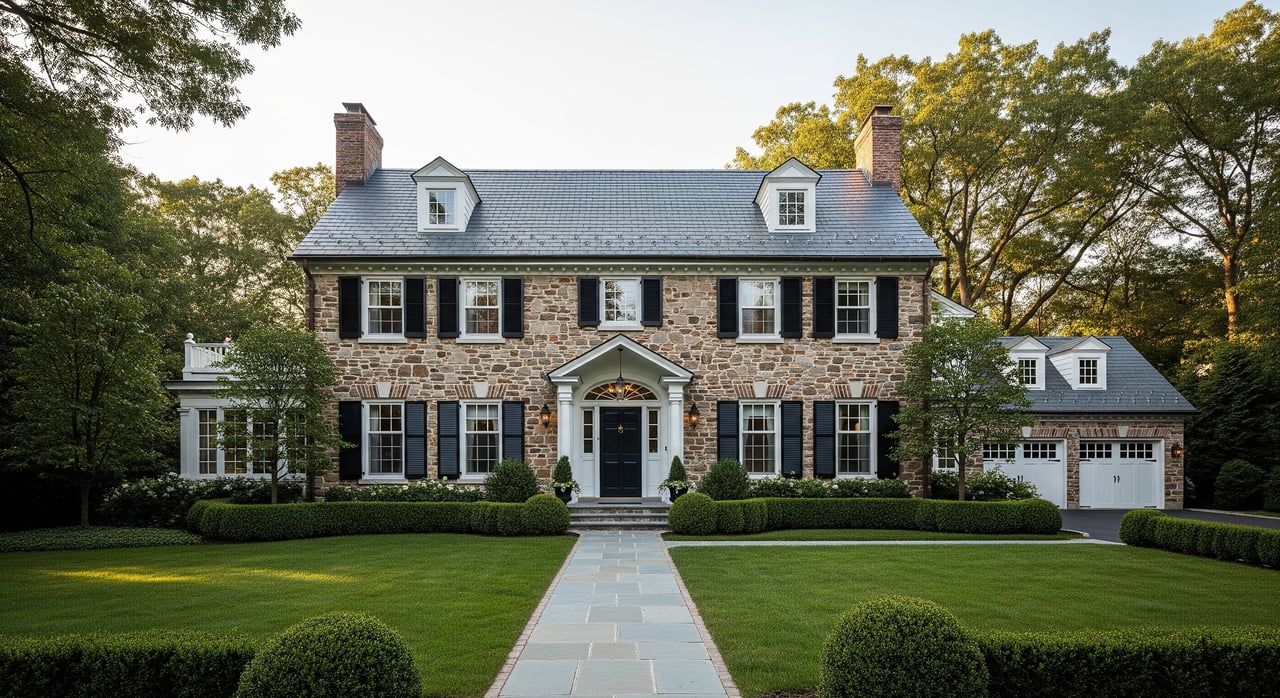
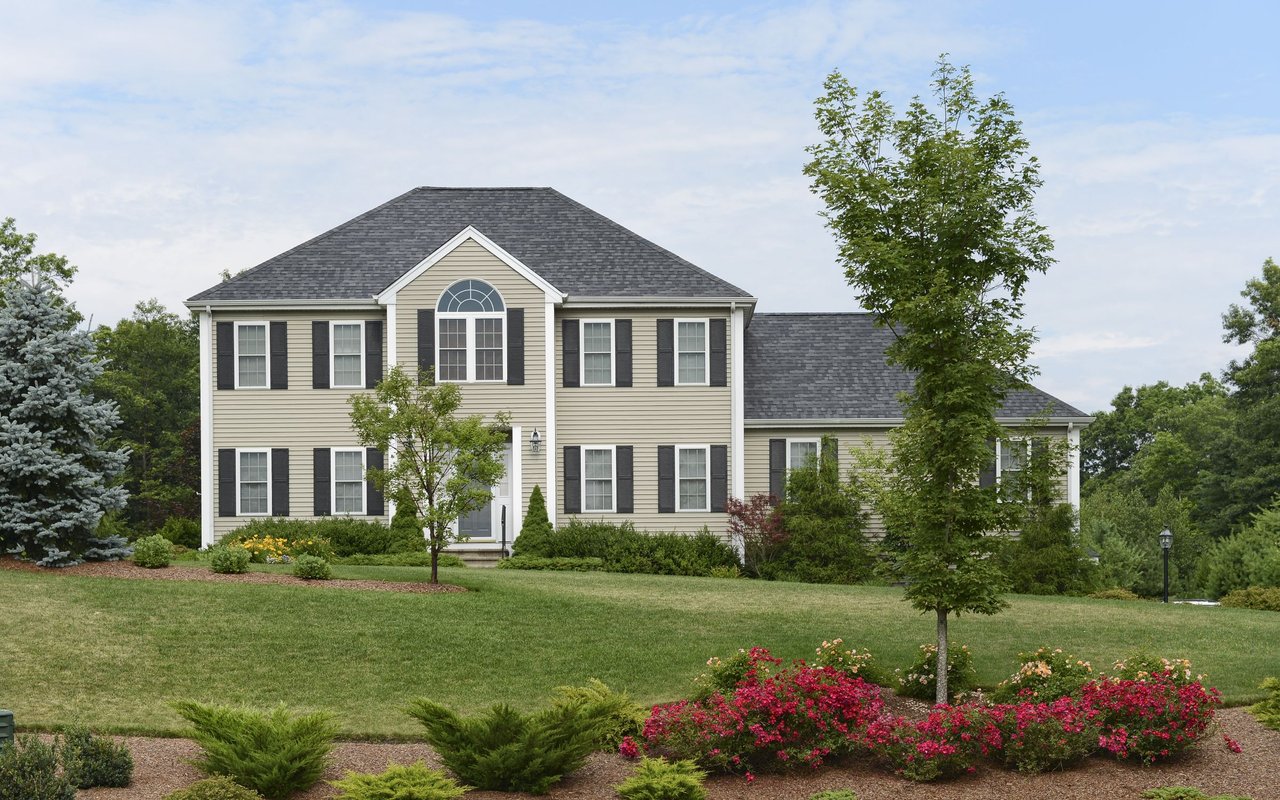
Just outside the borough boundaries, townships such as West Goshen, East Goshen, and East Bradford offer larger single-family homes, semi‑detached options, and planned subdivisions. You’ll find more yard space, garages, and newer construction communities. Daily errands may be more car‑dependent, though there are shopping centers and commercial corridors nearby.
Key things to consider:
The university calendar shapes demand for apartments and shared houses near campus and downtown. Lease start dates often align with the academic year. If you’re renting, it helps to start your search early and clarify how utilities, parking, and maintenance are handled.
Housing costs change with market cycles and differ by block and township. Broadly, you can expect:
For current pricing, work with a local MLS‑connected agent to review live market data and recent sales. Compare carrying costs, taxes, and HOA fees alongside price.
In this region, municipal, county, and school district taxes all matter. Effective rates change by municipality and by school district. The West Chester Area School District (WCASD) serves the borough and much of the surrounding area, but exact school assignments vary by address. Review current rates and recent tax history for any specific property before you make an offer.
Ask for average monthly utilities and confirm providers for electric, gas, water, and sewer. If you’re considering the borough, review on‑street parking and residential permit programs. In newer developments, budget for HOA fees and any transfer fees.
If you’re eyeing a historic property, check zoning and historic district rules early. In older homes, factor in potential upgrades to heating, insulation, roofing, and windows. Plan for seasonal maintenance, including snow removal in winter.
Outside of downtown, West Chester is largely car‑oriented. U.S. Route 202 and several state routes connect you to the Pennsylvania Turnpike and interstates toward the Main Line and Philadelphia. Commute times into Center City by car vary widely with traffic. Plan for a range and test your drive at your usual commute hour.
Direct regional rail service to West Chester was discontinued beyond Elwyn decades ago. Today, you’ll rely on local and regional bus operators and connections to SEPTA rail at neighboring stations. Schedules change, so always confirm current routes and timing before you plan a commute.
Many residents drive to nearby regional rail stations, such as those on the Paoli/Thorndale line, or to transit hubs for more options. If transit access matters to you, map out drive times to park‑and‑ride lots during rush hour.
Downtown and nearby neighborhoods support walking and short bike trips for daily errands. Outside the core, you’ll likely need a car for groceries and big‑box runs. Local pedestrian and bicycle plans continue to evolve, so watch for improvements that may enhance mobility.
The historic center clusters dining, bars, coffee shops, boutiques, libraries, and civic buildings, especially around the main commercial streets. If a car‑light lifestyle appeals to you, this area checks a lot of boxes.
You’ll find independent shops and restaurants in the borough and larger chain stores and supermarkets in the surrounding townships. Expect seasonal events like farmers markets, festivals, restaurant weeks, and First Friday‑style evenings. Always confirm current schedules before you plan.
Regional hospital campuses and urgent care centers serve the area. If access to specialists or shorter wait times is a priority, call providers to ask about new‑patient availability before you move.
Municipal parks, nearby preserves, and county trails offer outdoor space for all ages. West Chester University adds concerts, arts, and collegiate athletics that broaden the local calendar. Historic downtown architecture and heritage organizations give the borough a strong sense of place.
WCASD is the primary public district serving the borough and surrounding communities. Programs, performance, and attendance boundaries change over time. Before you buy or sign a lease, check the current boundary map for your exact address and confirm with the district.
Several private and religious schools operate in the greater West Chester area. If you are exploring these options, verify grades served, application timelines, and transportation.
West Chester University influences the housing market and the cultural scene. Its academic calendar also shapes the rental cycle, especially near campus and downtown.
Use this quick list to move from browsing to confident decisions:
If you value walkability, character architecture, and an active dining scene, the borough core will feel like home. You’ll trade larger yards and garages for convenience and energy. If you prefer more space, newer homes, and a quieter setting, surrounding townships deliver that while keeping you close to downtown. Many buyers split the difference by choosing neighborhoods just outside the borough to balance yard space with short drives to restaurants and events.
You deserve clear answers and a smooth path from first tour to closing. At Partovi Properties, you get an investor‑minded advisor who speaks the language of valuation, zoning, and deal structure, backed by MLS market intelligence. Whether you want a walkable condo, a family home with space to grow, or a lot with redevelopment potential, you’ll get practical guidance on pricing, carrying costs, and local rules so you can move forward with confidence.
Ready to talk strategy or tour homes in West Chester? Connect with Samantha Partovi for a practical, data‑driven plan that fits your budget and goals.
Stay up to date on the latest real estate trends.
Let’s discuss your goals, timeline, and the numbers that will move you forward. Reach out and let’s talk about your goals — I’m committed to earning your trust.
SAMANTHA PARTOVI
ADDRESS 390 Waterloo Blvd Exton PA 19341