

Shopping for a home in West Chester and not sure how to spot real value? You are not alone. Between the borough’s historic charm, nearby townships with larger lots, and week-to-week changes in inventory, it can be hard to read the market with confidence. This guide gives you a clear, practical playbook so you know what to watch, how to read days on market, and when to push on price or terms. Let’s dive in.
West Chester is the county seat of Chester County with a lively, walkable downtown and the presence of West Chester University. Those anchors support steady buyer and renter demand from professionals, families, and students. You are also within roughly 20 to 35 miles of Philadelphia, which keeps West Chester on the radar for commuters who want a town setting without giving up regional access.
If you are comparing West Chester to nearby suburbs in Montgomery and Bucks counties, think in terms of tradeoffs. Commuting routes, municipal taxes, and school district boundaries vary by town and can shift your monthly costs. Start with your lifestyle needs and total cost of ownership, then compare micro-neighborhoods across county lines.
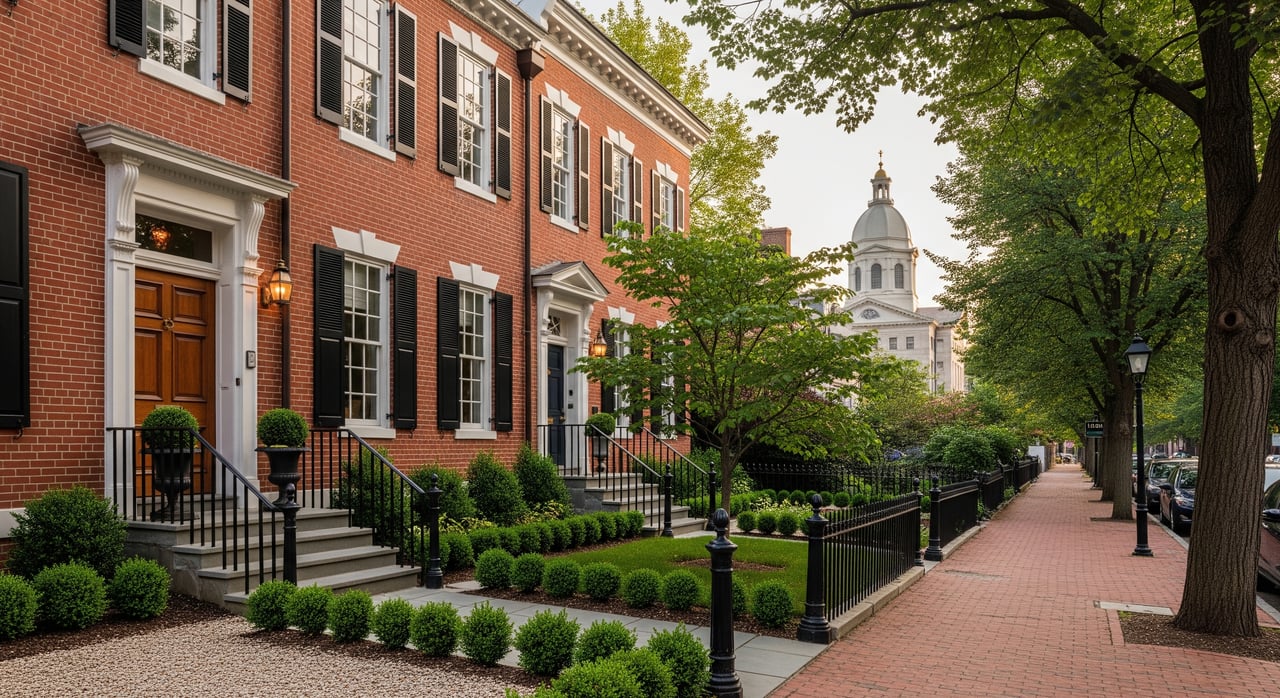
The West Chester borough and surrounding townships function like different submarkets. In the borough you will see more historic rowhouses, twins, and small detached homes on tighter lots. Walkability is a draw, but older properties may come with parking constraints, unique permitting rules, or historic-review considerations.
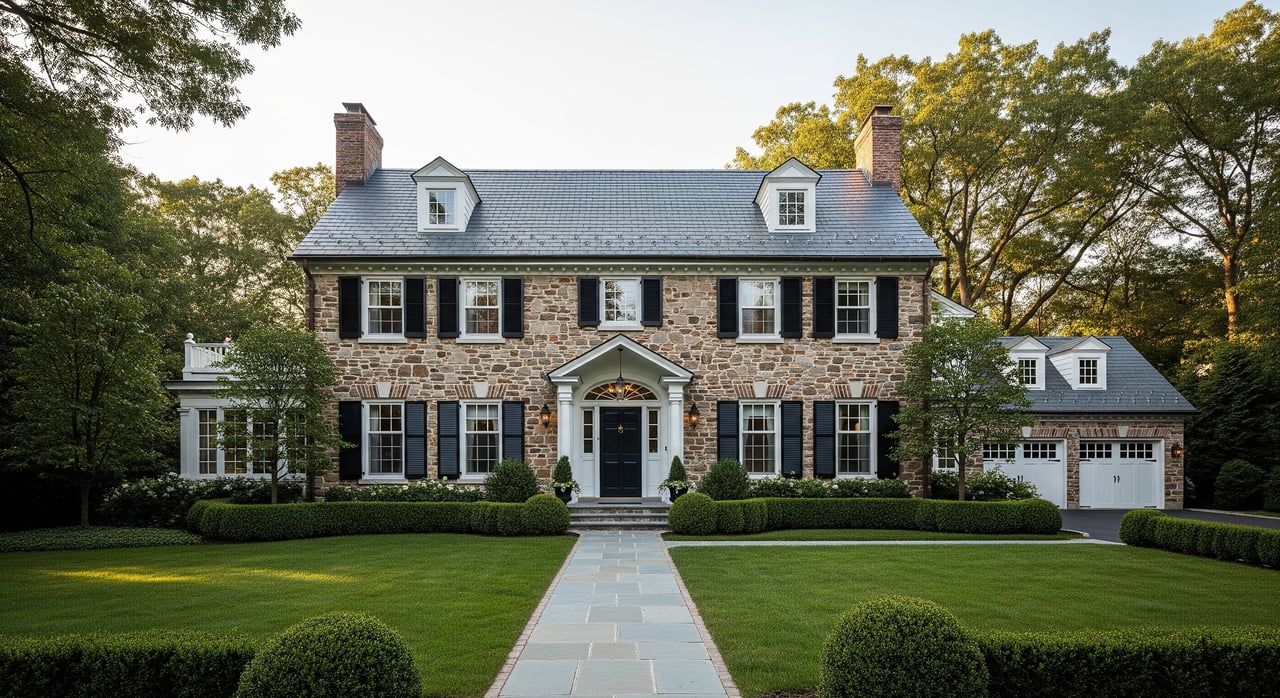
In nearby townships such as East Bradford, West Goshen, and Westtown, the mix tilts toward larger single-family homes on bigger lots. These areas tend to appeal to buyers who want more space and private parking. The shift from borough to township also means different tax structures and municipal services, so verify costs per address.
Pricing in and around West Chester is driven by location, condition, and carrying costs. Properties closer to downtown amenities or West Chester University often carry a premium and move faster. School district assignments influence prices within the broader area, so confirm boundaries for each property. Lot size, private parking or garage space, and the age of mechanical systems are practical value drivers that can add up fast.
Historic designation or conservation restrictions can limit exterior changes and affect insurance or repair costs. Taxes vary by municipality and school district, which can change affordability even when list prices look similar. Always model total monthly cost, not just the purchase price.
West Chester follows a familiar seasonal rhythm. Listing activity typically peaks in spring from March through June and tapers in late fall and winter. In slower months you may see more price sensitivity, longer days on market, and more room to negotiate.
Because the borough is a relatively small and dense submarket, inventory counts can swing quickly. A single multi-unit listing or a couple of price reductions can shift your leverage. Keep your view hyper local by comparing borough streets to each other, then compare townships by neighborhood.
Use Bright MLS for the freshest active, pending, and sold data. Cross-check with recent county recorder and assessor records for transactions and tax history. Local Realtor association briefs can add context on days on market and list-to-sale trends, and national research portals are helpful for longer trend lines. For momentum, look at the last 30 to 90 days and compare new actives to new pendings in the same micro-neighborhood.
Do not stop at the headline price. Check Days on Market (DOM) and Cumulative Days on Market, since a property can be withdrawn and relisted. Repeated price cuts often signal overpricing or condition issues, which can create negotiation room.
Pay attention to language such as “as-is,” limited disclosures, or sparse photography. These can indicate deferred maintenance or a quick-sale situation. Broker remarks may reference estate or probate timelines that affect your closing schedule. Use the remarks to shape your negotiation plan and your timeline expectations.
Homes sell faster when they are priced correctly relative to recent comps, present well in photos, and sit close to downtown amenities or the university. Low supply within a specific segment, such as larger-lot detached homes in a popular township, can also compress DOM. When buyers compete, terms and speed matter.
Listings linger when they are overpriced, need visible repairs, or are unusual property types that limit the buyer pool. Off-season timing and rising mortgage rates can slow velocity. Local policies, such as historic preservation or rental licensing rules, may also add friction that affects demand.
Pennsylvania property taxes are a combination of municipal, county, and school district levies. Two similar homes can have different annual tax bills based on municipality and district, so verify the actual bill for each property. Utilities and municipal services may differ between borough and townships, including trash, parking policies, and sewer fees.
Insurance can vary with property age, historic status, and location. Older homes may have higher premiums depending on roof, electrical, plumbing, and HVAC systems. If a property sits in or near a floodplain, get clarity on flood insurance requirements early.
Have your financing ready with a clear pre-approval. Confirm your maximum price with closing costs, property taxes, and likely repairs included, not just principal and interest. Bring hyper local comps from the last 60 to 120 days to make your case in negotiations. In competitive situations, consider increasing earnest money or tightening contingency timelines, balanced with your risk tolerance.
If you are targeting student rentals, model the academic-year cycle, potential summer vacancy, and how on-campus housing policies might influence demand. Weigh cash flow against maintenance for older properties and factor property taxes into your net yield. Confirm rental licensing, occupancy rules, and any short-term rental restrictions with the borough or township before you bid.
For value-add strategies, expect permitting for upgrades and possible historic review in designated areas. Line up contractor estimates early and build realistic timelines for permits and inspections. Your pro forma should include a contingency reserve for unexpected older-home repairs.
Use this quick list to stay focused:
For real-time inventory, median pricing, and DOM trends, start with Bright MLS. Use the Chester County recorder and assessor for deed history, tax assessments, and parcel details. Check West Chester Borough or township websites for zoning, permits, rental licensing, and parking rules.
For school district boundaries, refer to West Chester Area School District materials. First-time buyers can explore programs through the Pennsylvania Housing Finance Agency. Local and state Realtor associations publish monthly or quarterly market briefs, and national research portals provide helpful trend context that you can cross-check against MLS data.
West Chester rewards buyers who think in micro-markets and read listing signals closely. The borough and nearby townships behave differently on price, pace, and carrying costs, and small shifts in weekly inventory can change your leverage. If you watch DOM, verify taxes and permits, and tailor your offer to the property’s true condition and demand, you can compete with confidence and find value.
Ready to map a plan for West Chester or a nearby Montgomery or Bucks suburb? Reach out to Samantha Partovi to walk through your target neighborhoods, financing options, and next steps. Schedule a Free Investment Consultation and get a clear, data-driven strategy for your purchase.
Stay up to date on the latest real estate trends.
Let’s discuss your goals, timeline, and the numbers that will move you forward. Reach out and let’s talk about your goals — I’m committed to earning your trust.
SAMANTHA PARTOVI
ADDRESS 390 Waterloo Blvd Exton PA 19341