
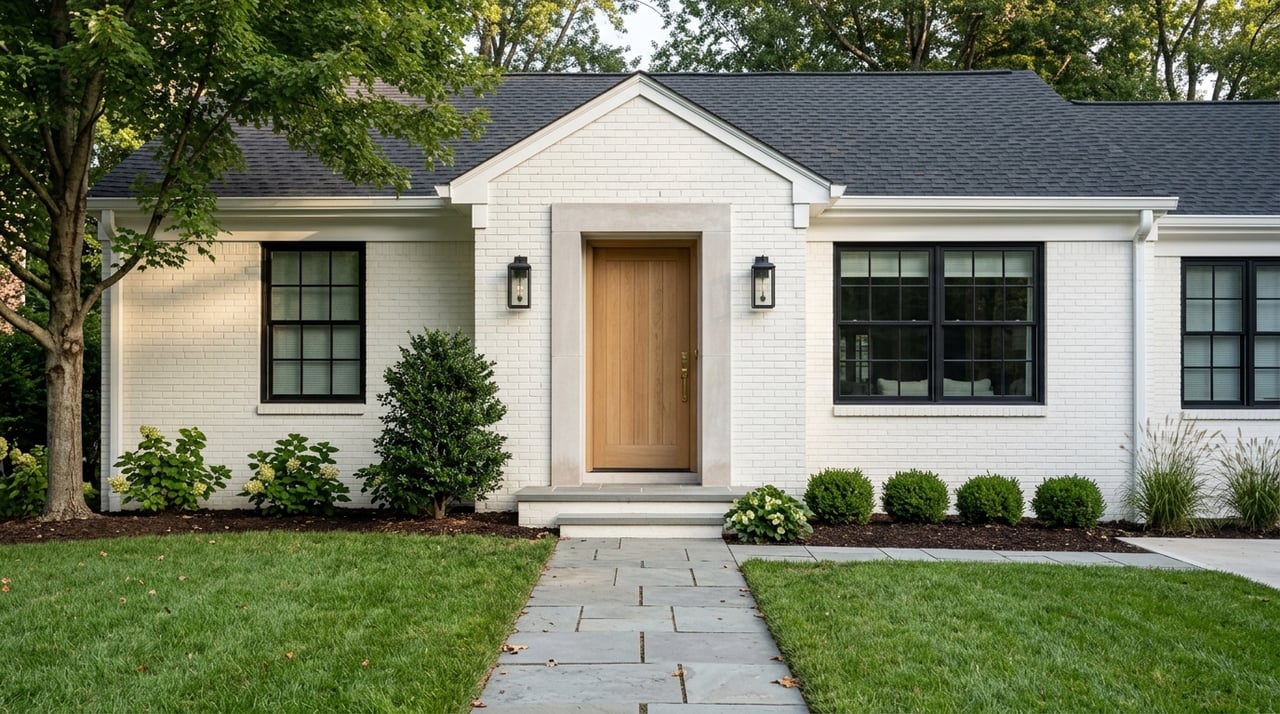
If you are choosing between a brand-new home and an older one in Malvern, the decision can feel more expensive than it looks on paper. In a market where homes can move quickly and pricing stays strong, the wrong assumption can cost you time, money, or both. The good news is that there is a practical way to compare your options. By looking at budget, timing, maintenance, and total ownership cost, you can make a smarter call for your next move. Let’s dive in.
Malvern is not a market where you can casually wait and see. Recent market data in the research report shows strong pricing and relatively fast market times, even though the exact figures vary by source. The big-picture takeaway is the same: Malvern is competitive, and good homes can attract attention quickly.
That matters because your new construction versus resale decision is not just about style. It affects how fast you need to act, what repairs or upgrades you may face, and how much flexibility you may have during the transaction. In Malvern, supply constraints also mean new construction tends to show up more often in planned communities than as scattered one-off inventory.
For many buyers, new construction is appealing because it offers a more predictable start. You are usually getting newer systems, modern finishes, and fewer immediate repair items. That can make the first few years of ownership feel simpler and easier to budget.
In Malvern, one example from the research report is Anfield at Malvern, a Toll Brothers townhome community. The builder advertises homes from the mid-$600,000s to low-$900,000s, with sizes ranging from about 1,827 to 3,008 square feet. The community also advertises amenities such as a clubhouse, pool, dog park, pickleball, walking trails, lawn maintenance, and snow removal.
Those features can change the day-to-day ownership experience. If you want less upkeep and a more managed lifestyle, that type of setup may be a strong fit. It can also be appealing if you prefer a home that feels move-in ready from day one.
A major advantage of new construction is warranty protection. The research report notes that Pennsylvania seller disclosure rules treat never-occupied new residential construction differently when certain conditions are met, including a written warranty, code compliance inspection, and certificate of occupancy or code compliance.
In practical terms, that often means your main protection comes through the builder warranty rather than the standard seller disclosure process used in most resale sales. The research report also notes that builder warranties commonly cover workmanship and materials for one year, major systems like HVAC, plumbing, and electrical for two years, and some structural defects for up to 10 years.
That does not mean every issue will be covered. Some items, such as small cracks and appliances, may be excluded. Still, many buyers see value in having newer components and some level of warranty-backed peace of mind.
Another reason buyers choose new construction is the chance to personalize finishes. Depending on the builder and stage of construction, you may be able to select design features that match your taste and reduce the need for immediate updates after closing.
The research report also notes that efficient new homes can be independently inspected and may have lower maintenance needs and repair costs. That does not automatically make a new home cheaper overall, but it can improve your short-term budgeting picture.
Resale homes offer a different kind of value. Instead of paying for brand-new systems and customization, you may be getting a fully finished home with existing features, established surroundings, and a quicker path to move-in.
In Malvern, resale inventory reflects the area’s broader existing housing stock. That gives buyers more variety in home age, layout, and lot characteristics. If you want to compare multiple styles and price points, resale often gives you more to evaluate.
One practical benefit of buying resale in Pennsylvania is the seller disclosure process. According to the research report, sellers in most residential transfers must disclose known material defects before contract.
The required disclosure topics cover many of the exact issues buyers care about, including:
This does not replace your own due diligence, but it does create a clearer framework for evaluating the home.
Resale homes also give you a more established inspection path. The research report explains that Pennsylvania defines a home inspection as a noninvasive visual examination of key structural and mechanical systems, with a written report describing material defects.
That matters because the inspection is often your best tool for understanding the real condition of an older home. It can also create room for negotiation if the report reveals repair needs. In some cases, that may lead to credits, repairs, or a price adjustment.
If timing is your top priority, resale may be the better fit. Many buyers want a home that is already completed, with no construction timeline or design decisions still in progress.
That can be especially helpful if you have a lease deadline, a school-year timing goal, or a home sale that needs to line up with your next move. While some builders offer quick move-in homes, resale often remains the simpler route when you want a faster closing path.
The biggest mistake buyers make is comparing list prices only. In Malvern, that shortcut can lead you in the wrong direction.
A newer home may come with a higher purchase price but lower short-term repair costs. A resale home may look more affordable upfront, but it could need maintenance, upgrades, or system replacements sooner. In a competitive market, you need to compare the total cost of ownership, not just the sticker price.
When you weigh new construction against resale, include these items in your budget:
The research report notes that Pennsylvania imposes a 1% state realty transfer tax, and local transfer tax may also apply. That is why a true comparison needs to go beyond monthly payment estimates.
New construction is often the better choice if you want a cleaner ownership experience in the first few years. It can work well when you value lower early maintenance, newer systems, and the ability to personalize finishes.
You may lean toward new construction if these points sound like you:
In Malvern, this option can be especially attractive if a planned community offers the size, price range, and amenities that fit your goals.
Resale is often the better choice if you care more about speed, flexibility, and evaluating a finished home as it stands today. It can also make sense if you are comfortable using inspections to guide negotiations and planning for future updates.
You may lean toward resale if these points sound like you:
For many buyers, resale is not about settling for older features. It is about buying with eyes open and using inspections and disclosures to make a smarter deal.
In Malvern, the best comparison is usually not “new versus old” in the abstract. It is one specific new home versus one specific resale home, with real numbers attached.
A practical rule from the research report is simple. Choose new construction when you value customization, low early maintenance, and warranty-backed peace of mind. Choose resale when you value an already finished home, faster occupancy, and the ability to use inspection findings in negotiation.
That means your decision should come down to three things:
If you are actively shopping in Malvern, a simple side-by-side review can help you avoid emotional decisions. Use the same framework for each property so you can compare fairly.
Ask these questions for every home you consider:
That kind of analysis brings the decision back to facts. In a fast-moving market, clarity is a real advantage.
If you want help comparing a new construction option against a resale property in Malvern, Samantha Partovi can help you break down the numbers, timing, and trade-offs so you can move with confidence.
Stay up to date on the latest real estate trends.
Let’s discuss your goals, timeline, and the numbers that will move you forward. Reach out and let’s talk about your goals — I’m committed to earning your trust.
SAMANTHA PARTOVI
ADDRESS 390 Waterloo Blvd Exton PA 19341